How to Choose the Right Custom Apparel for Your Business
Why Custom Apparel Still Matters for Businesses
Every business wants to be remembered. A well-designed piece of custom apparel does that in a way that digital ads cannot. When someone wears a shirt with your logo to the grocery store or a weekend game, they become a walking billboard. That kind of organic exposure builds trust in a way that paid impressions never quite match.
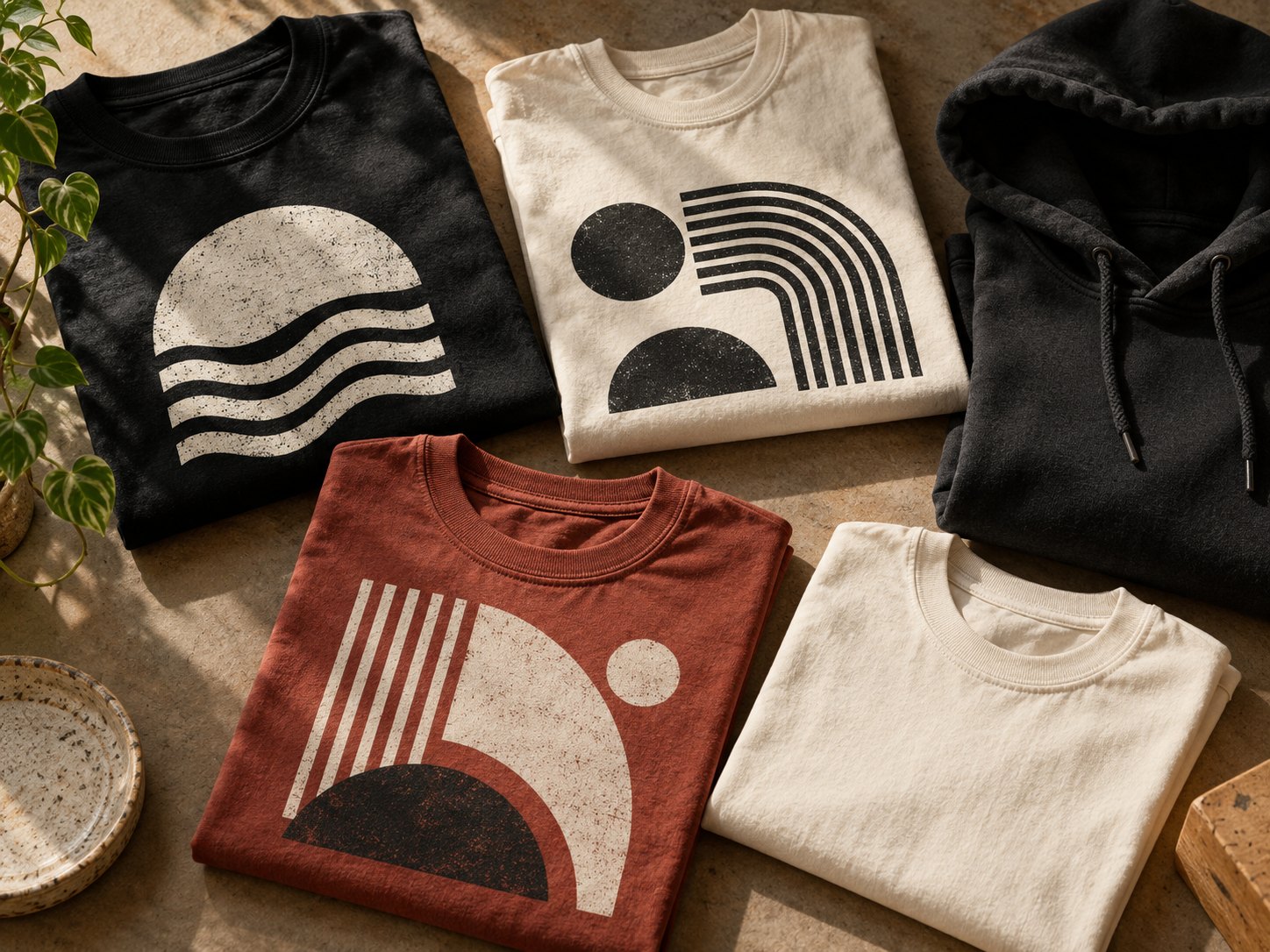
But not all custom apparel is created equal. The difference between a shirt that gets worn for years and one that ends up as a rag often comes down to the choices you make upfront. Fabric weight, print method, and even the color of the garment all affect how people perceive your brand. Getting it right takes some thought.
Fabric and Fit Come First
Before you even think about design, consider what the garment will feel like. A heavy cotton t-shirt might feel sturdy, but it can be uncomfortable in warm weather. A tri-blend fabric that combines cotton, polyester, and rayon offers a softer hand feel and breathes better. For active teams or outdoor events, a performance fabric that wicks moisture is a smart move.
Fit is just as important. Unisex sizing is common, but it can be boxy on some body types. If your group includes people of different sizes, look for a supplier that offers a range of fits, from slim to relaxed. Ordering a few samples before placing a bulk order saves you from the disappointment of a shirt that nobody wants to wear.
Key Fabric Options at a Glance
- 100% cotton: Classic feel, good for casual wear, but can shrink.
- Tri-blend: Soft, lightweight, and drapes well. Great for everyday use.
- Performance polyester: Moisture-wicking, ideal for sports or outdoor work.
- Fleece or hooded sweatshirts: Heavier, better for cooler months or layering.
Print Methods That Last
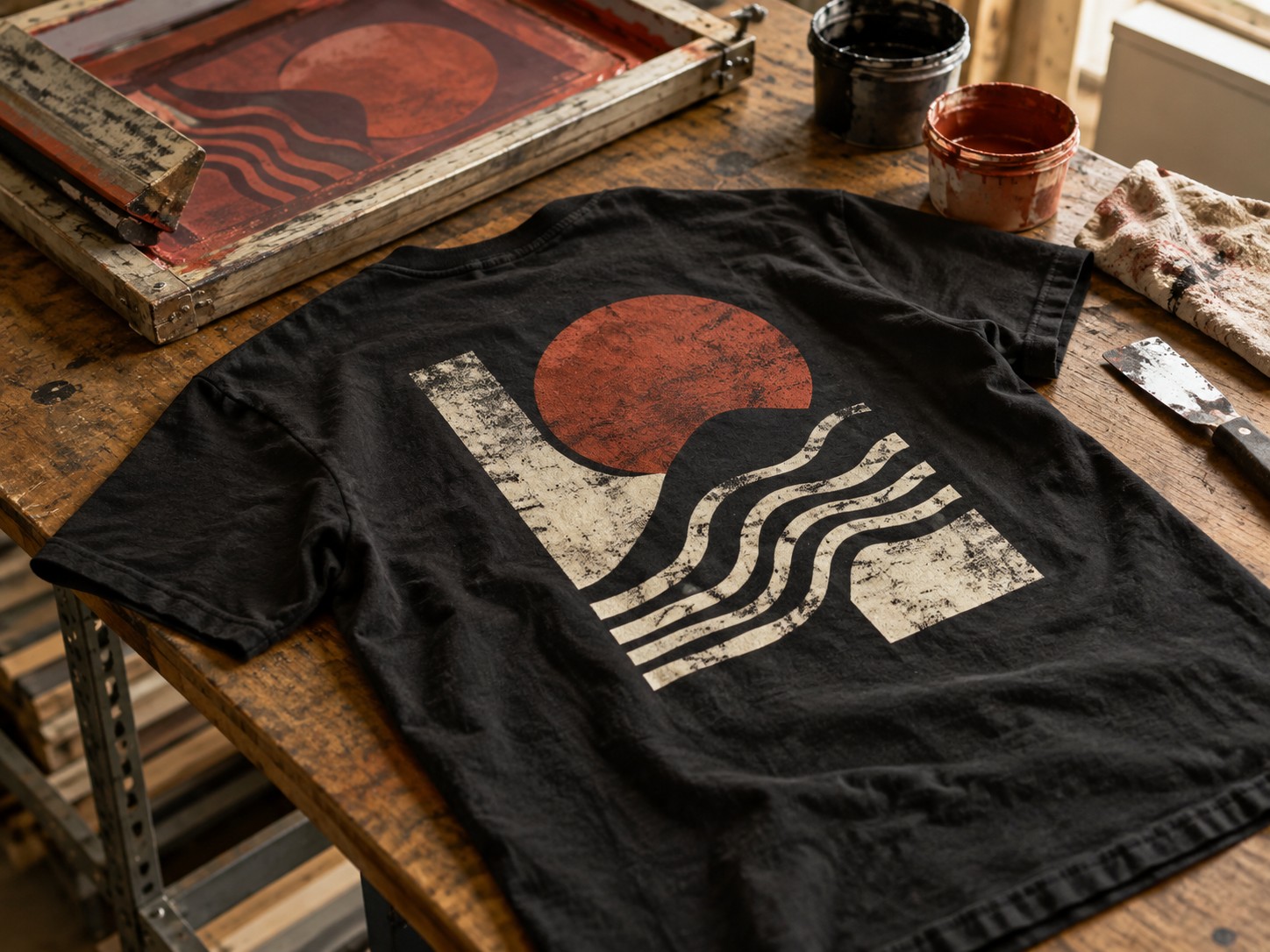
Screen printing remains the gold standard for bold, long-lasting designs on cotton or cotton-blend garments. The ink sits on top of the fabric and holds up well to washing if cured properly. It works best for simple logos or text with limited colors. For more detailed artwork with gradients or photographic elements, direct-to-garment (DTG) printing gives you the ability to print full-color designs directly onto the fabric. DTG is great for small runs or one-off samples, but the print may fade faster than screen printing over many washes.
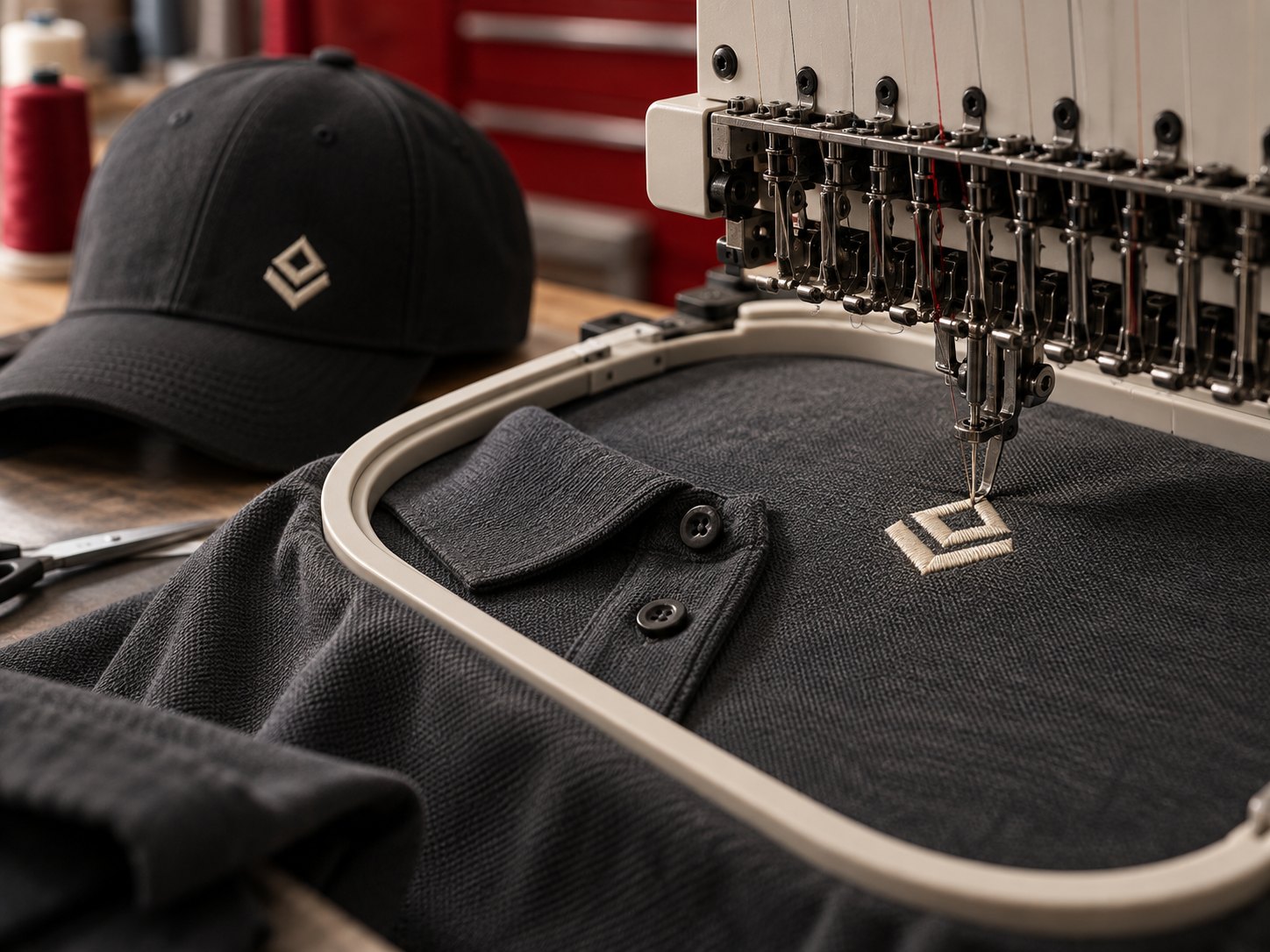
Embroidery offers a different look entirely. It adds texture and a premium feel to polos, jackets, and hats. The thread can handle heavy wear and looks professional for years. The trade-off is that embroidery works best for simple designs without tiny details. Thin lines or small text do not stitch well.
Heat transfer vinyl is another option, especially for small orders or names and numbers on uniforms. It is durable but can crack over time if not applied correctly. Each method has its strengths, and the right choice depends on your design, budget, and how the garment will be used.
Designing for Real People
A common mistake is treating the garment like a billboard. Slapping a huge logo across the chest might get attention, but it can also look like free advertising for the wearer. A more subtle approach often works better. A small left-chest logo paired with a larger design on the back gives the shirt a balanced look. For hats and bags, a small logo on the front or side feels tasteful rather than aggressive.
Colors matter too. High-contrast designs stand out, but they can clash with the garment color. Stick to a palette that complements the shirt. If your brand uses a lot of bright colors, consider a neutral base like black, white, or gray. Conversely, a dark shirt with a light-colored design can pop without being overwhelming.
Questions to Ask Before Finalizing Your Design
- Will the design work in a single color if needed?
- Is there enough contrast between the ink and the fabric?
- Does the logo scale down well for small placements?
- How will the design look on different body types?
Ordering Quantities and Budgeting
Custom apparel pricing drops significantly as the quantity goes up. A run of 24 shirts might cost twice as much per piece as a run of 144. If your budget is tight, consider pooling orders with another department or team. You can also choose a less expensive garment blank and still get a good result with high-quality printing.
Beware of hidden costs. Setup fees, screen charges for each color, and shipping can add up fast. Ask for an all-in quote before committing. Some shops offer free artwork setup or discounts on reorders, which can save you money down the line if you need to restock.
If you are ordering for a large event, think about sizing distribution. A typical mix might be 30% small, 40% medium, 20% large, and 10% extra large, but this varies by the group. If you are unsure, order a few extra mediums and larges, as those sizes tend to run out first.
When Custom Apparel Makes the Most Impact
Businesses often use custom apparel for trade shows, company picnics, or as part of a uniform. But the real value comes from consistency. If every employee wears the same branded shirt on Fridays, that creates a sense of unity. If you give away shirts at a conference, make sure they are something people will actually wear again. A cheap shirt with a stiff feel and a fading logo is a missed opportunity.
For organizations that rely on team identity, like sports leagues or nonprofit groups, custom apparel can be a powerful tool for building morale. When everyone looks like they belong to something, that sense of belonging translates into better engagement. And when the apparel is comfortable and well-made, people wear it more often, which means more visibility for your brand.
One thing I have learned over the years is that the cheapest option is rarely the best value. A slightly higher upfront cost for better fabric or a proven print method pays off in longer garment life and better brand perception. People notice quality. They may not say it out loud, but they feel it when they put on a shirt that fits well and looks good.
Planning for the Long Run
If you are ordering custom apparel for a recurring event or a permanent uniform program, think about how the design will age. Trends change, but a classic logo on a neutral color stays relevant longer than a trendy design on a bright neon shirt. Ordering extra stock upfront can also protect you if the garment is discontinued later. Many suppliers change their blank styles every season, so what you buy today might not be available next year.
Building a relationship with a reliable printer makes a difference. You want someone who will tell you if your design has issues, who can recommend a better fabric for your use case, and who will stand behind their work if something goes wrong. A good printer will also keep your artwork on file and make reordering easy.
For businesses in the Garden Grove area, DSP Printing, located at 11611 Salinaz Dr Ste O, Garden Grove, CA 92843, USA, offers custom screen printing and embroidered apparel services for businesses and organizations. They can be reached at +1 714-951-4919 for inquiries or to start a project.
Connect with us on Instagram.